From SEO to GEO: How Traditional SEO Suites are Rebuilding the Stack for AI Answers
Search is shifting from SEO to GEO (Generative Engine Optimization). Learn how to read the data, know the tools and write your playbook to adapt and grow.

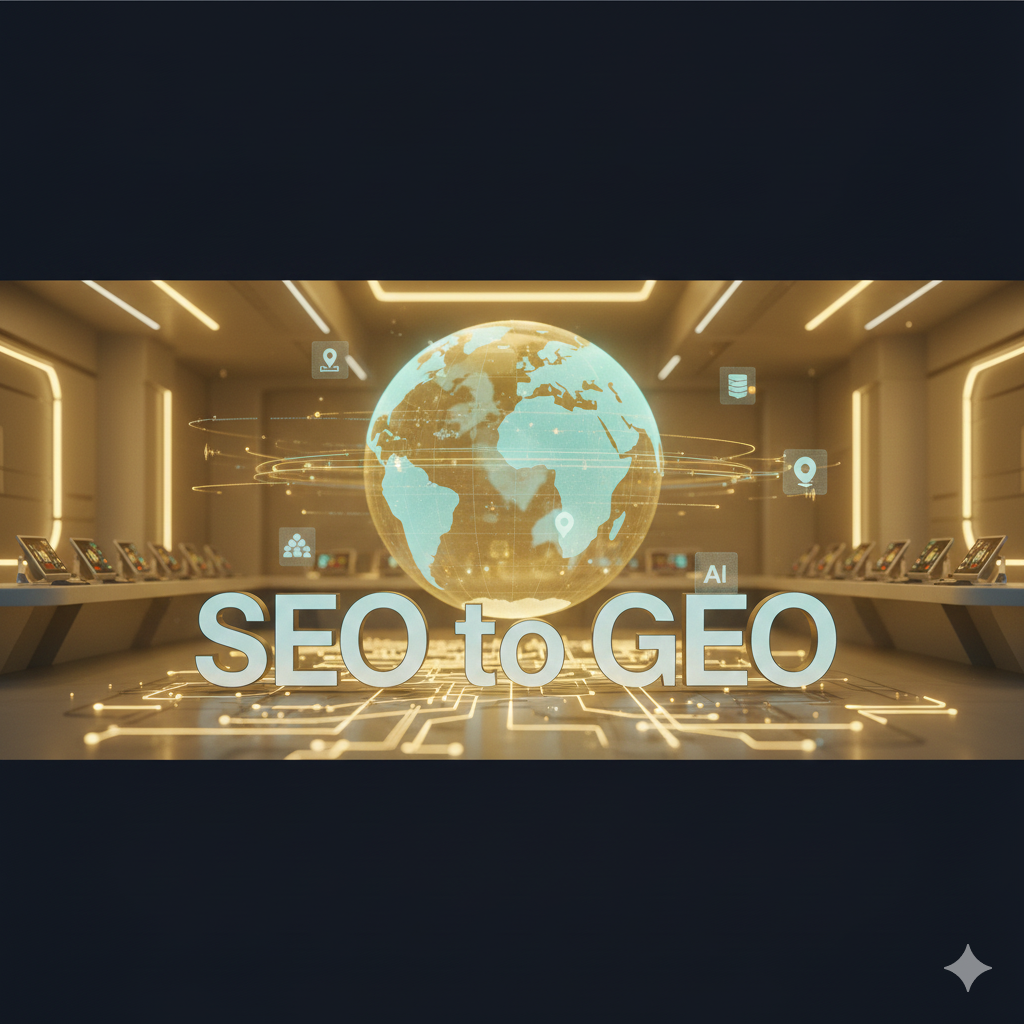
From SEO to GEO: How Traditional SEO Suites are Rebuilding the Stack for AI Answers
Google’s AI Overviews (AIOs) continue to expand across search. Semrush reports that 13.14% of U.S. queries surfaced AIOs in March 2025, up from 6.49% in January. In matched-keyword tests, the introduction of AIOs did not universally increase zero-click behavior; the effect depends on intent and how Google presents the overview. At the same time, AI referral traffic has become measurable. Ahrefs’ analysis of 3,000 websites found that 63% now receive some traffic from AI assistants, with roughly 98% coming from ChatGPT, Perplexity, and Gemini. While the average share remains small at around 0.17%, the trend is rising. AIO citations also do not consistently reflect organic rankings. Ahrefs reports that 76% of cited pages rank in the top 10, while Originality.ai found that about half come from pages outside the top 100. Ranking remains a strong signal but no longer guarantees inclusion.
Why This Shift Matters
Discovery is moving from lists of links to synthesized answers. Users increasingly meet brands through AI-generated summaries—on Google through AIO and AI Mode, and across assistants like ChatGPT, Perplexity, Gemini, and Copilot. Success now depends on being chosen as a cited source within an answer, not just ranking on a SERP. As AIO coverage continues to grow, visibility is increasingly determined inside the answer box itself.
Definitions
GEO / AEO
A set of practices designed to increase the likelihood of being referenced or cited within AI-generated answers.
AIO (AI Overviews)
Google’s AI-generated summaries, produced through a customized Gemini model informed by Google’s ranking systems and the Knowledge Graph.
AI Mode (AIM)
Google’s generative search experience, which uses multi-step reasoning and linked citations and behaves differently from both AIO and classic organic results.
What’s Changing in Search
AIOs appeared on 13.14% of desktop queries in March 2025, with informational intent dominating. In matched-keyword groups, zero-click rates dropped modestly from 38.1% to 36.2% after AIOs were introduced, indicating that user intent shapes behavior more than the presence of an overview. Citation overlap varies significantly: Ahrefs finds strong alignment with top-10 results, while Originality.ai reports that roughly half of citations come from pages not ranking in the top 100. Meanwhile, 63% of websites now receive measurable traffic from AI tools. Similarweb estimates 1.1B AI referrals across assistants in June 2025, marking a 357% year-over-year increase.
How Platforms Are Adapting
Semrush
Semrush has introduced AIO tracking within Position Tracking, flagged keywords where AIOs appear, and enabled AI Mode as a trackable engine. Its research provides large-scale insights into AIO behavior.
Similarweb
Similarweb identifies queries that trigger AIOs, tracks AI chatbot referrals, and provides prompt-level insights tied to landing pages. Its GenAI Intelligence toolkit connects AI visibility to traffic patterns.
Ahrefs
Ahrefs offers Brand Radar to measure share-of-voice across AI surfaces and publishes research on AI-driven traffic and AIO citation behavior.
The GEO Scoreboard
To evaluate visibility across generative platforms, several metrics are emerging as core indicators:
- AIO presence rate across tracked keywords
- Inclusion and placement within AIO citations
- Referral traffic arriving from AI assistants
- Visibility inside Google’s AI Mode
The GEO Playbook
Structure Content for Clear Selection
Answer the primary question quickly. Use descriptive headings, scannable sections, and concise explanations that make your pages easy to interpret. Offer supporting evidence, concise takeaways, and structured data when appropriate.
Strengthen Brand and Author Signals
Clear About pages, policy pages, author profiles, and organization schema help systems understand credibility and relevance. Consistent identity across your website reinforces trust.
Build Pages That Align With Discovery Patterns
Pages that consistently appear inside AI-generated answers include definitions, short primers, step-by-step guides, comparisons with pros and cons, and FAQ sections based on real phrasing used by searchers.
Measure Performance Across Surfaces
Track how often AIOs appear for your keywords, where your pages are cited, and what traffic arrives through AI assistants. Use this alongside traditional SEO metrics to understand where visibility is shifting.
Expand Your Citation Footprint
Because citations do not always align with rankings, broaden your presence across reputable industry sources, research hubs, and platforms where users seek guidance. Prioritize publishing original insights, data, and research.
Keep Key Pages Fresh
Update valuable pages regularly, reduce ambiguity, and ensure information is current. Clarity and recency meaningfully influence how answers are generated.
Treat AI as a Referral Channel
Monitor which assistants send traffic, which pages attract it, and how users convert. Even small volumes can signal demand patterns that do not appear in traditional search analytics.
What’s Changing Inside Google
How AIO Works
AIO blends output from a customized Gemini model with Google’s ranking systems and Knowledge Graph to produce grounded summaries that reflect both AI reasoning and traditional search signals.
Official Guidance
Google states that no specialized markup is required to appear in AIO beyond the standards already outlined in Search Essentials.
Behavior of AI Mode
AI Mode can rely on a different set of sources and behaviors compared with AIO or organic listings. Categories vary in stability, making periodic testing important.
GEO Checklist
- Define the topics and entities where your brand must be cited
- Audit current citations across AIO, AI Mode, and major assistants
- Publish content designed around clear, direct answers
- Create definitions, how-tos, comparisons, and FAQs for priority topics
- Add concise summary blocks to key pages
- Track AI referrals and visibility monthly
- Refresh high-value content each quarter
- Monitor how AI-generated answers describe your brand
FAQs
Do we need special markup for AIO?
No. Google advises following Search Essentials; no additional markup is required.
If we rank first, will our page be cited?
Ranking helps but does not guarantee inclusion. Even top-ranking pages appear in leading AIO citations only about half the time.
Where else should we monitor?
ChatGPT, Perplexity, Gemini, and Copilot now contribute meaningful traffic and influence early discovery, with Similarweb reporting more than 1.1B AI referrals in June 2025.



We’ve been using ChatRank for 34 days, and following their plan, we’ve actually grown over 30% in search visibility


ChatRank helped us go from zero visibility to ranking #2 in a core prompt for our business with only one new blog post!


My business has always come from word of mouth. Now people are actually finding me on ChatGPT!