Enhancing AI Visibility: The Strategic Guide to Answer Engine Optimization (AEO) for B2B SaaS Brands
The digital landscape in 2026 has transitioned from traditional keyword search to natural-language discovery. An Adobe survey found that nearly 1 in 4 U.S. consumers now go to ChatGPT first when looking for information online. For B2B SaaS brands, this shift demands a move away from content optimized for "polished" readability and toward high-utility, citable data that AI models can extract and reference.

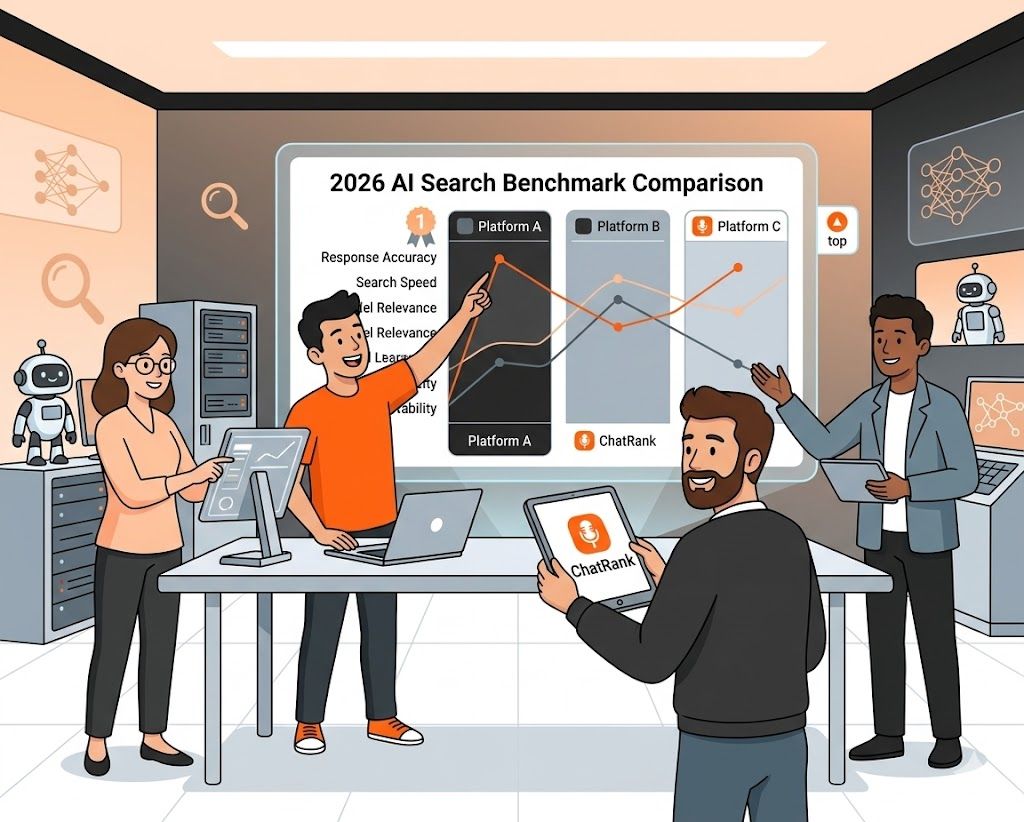
This guide walks through the five practical pillars of Answer Engine Optimization (AEO), grounded in verified research and applicable to organizations at any stage of the transition from traditional SEO to AI-first discovery.
1. Why B2B SaaS Brands Lose Visibility in AI Search
Most organizations that are invisible in AI-generated summaries are not invisible because they lack quality content. They are invisible because their content is not structured for Large Language Model (LLM) extraction.
Unlike traditional SEO — which rewards backlink volume and keyword density — AI visibility depends on semantic entity connections and technical accessibility. Two structural gaps explain most invisibility problems:
The Technical Gap
AI crawlers cannot reliably access content hidden behind complex JavaScript or loaded through infinite scroll. A brand's core value proposition must exist in the raw HTML of the initial page load. If GPTBot or PerplexityBot cannot find the information without executing JavaScript, the brand effectively does not exist for that AI system.
Verifying crawl access is straightforward: check your robots.txt file and confirm it explicitly allows the following bots:
- GPTBot — OpenAI's crawler for ChatGPT and GPT-based products
- BingPreview — Essential for Microsoft Copilot visibility
- ClaudeBot — Anthropic's web crawler
- PerplexityBot — Perplexity AI's indexing agent
The Information Structure Gap
LLMs prioritize long-tail, natural language questions because that mirrors how users interact with chatbots. Vague or clickbait headings fail to signal topical relevance. Headings must mirror real user queries — not internal marketing language — to serve as reliable signals for what a section answers.
2. Implementing Technical AEO Foundations
Closing the visibility gap requires removing technical barriers that block AI crawlers. This means shifting from human-centric design decisions to machine-readable architecture.
The Role of llms.txt and Schema Markup
A structured /llms.txt file placed at the domain root serves as a guide for LLMs, pointing them toward citation-ready pages and describing the site's structure in machine-readable terms. Combined with a comprehensive JSON-LD schema stack — including Organization, FAQPage, and Article types — this creates a "knowledge base" layer that AI systems can parse directly.
Searchlab's 2026 analysis found that FAQPage schema is among the highest-impact technical implementations for Google AI Overview inclusion. The markup tells the AI system precisely which parts of a page contain question-and-answer content, reducing the friction of extraction.
3. The "Answer-First" Framework for AI Citations
The most impactful structural change for citation eligibility is adopting the Inverted Pyramid (Answer-First) model. AI systems often parse content in chunks of 200–400 words and prioritize sources that lead with a direct response rather than building toward a conclusion.
Structural Breakdown for Snippet Readiness
| Content Block | Recommended Length | Purpose |
|---|---|---|
| Direct Answer | 40–60 words | Answers the heading's core question immediately |
| Supporting Evidence | 60–100 words | Data points or statistics validating the answer |
| Context & Nuance | 60–100 words | Edge cases, depth signals, or scope limitations |
| Actionable Takeaway | 30–50 words | Clear next step for the reader |
This structure avoids "Narrative Detours" — historical asides or conversational filler that adds engagement value for human readers but creates extraction noise for AI systems. By placing the key fact in the opening sentence, the content remains useful even if the AI retrieves only a single chunk.
4. Building Authority Across AI Platforms
AI visibility is not limited to a brand's own website. LLMs connect brands to topics based on credible mentions across the broader web. Third-party footprinting is essential because — as research cited by Superlines (2026) documents — only 11% of domains are shared between Google Search results and ChatGPT citations for the same query. A conventional SEO approach alone is insufficient.
High-Influence Citation Sources
- Wikipedia: Consistently the most cited domain in ChatGPT responses. A factual, non-promotional Wikipedia presence is among the highest-leverage AEO investments.
- Reddit and Quora: Community-validated answers on these forums are frequently surfaced in Perplexity AI responses and are weighted heavily for "real-world user advice" queries.
- G2 and Capterra: The primary review platforms that LLMs consult when users ask for the "best tool" in a specific software category.
- YouTube (transcripts): LLMs can parse video transcripts as text content, making video SEO an indirect AEO signal.
5. Measuring Success with GEO Metrics
Traditional click-based KPIs are insufficient for tracking performance in an AI-first world. Marketing teams must build measurement systems around Visibility Scores and Citation Frequency.
Key Performance Indicators for AEO
- Visibility Score: The percentage of AI-generated answers for a defined prompt set that mention your brand.
- Share of Citation: How often your brand is cited compared to direct competitors for the same queries.
- Sentiment Score: How the AI positions your brand (e.g., "best for enterprise" vs. "limited free tier").
- HDYHAU Attribution: Tracking when leads report "ChatGPT recommended you" in form fields. Conductor data shows AI referral traffic growing roughly 1% month-over-month in 2026, and HDYHAU AI attributions have increased 5x since early 2025.
Note: Traditional analytics platforms like Google Analytics 4 often misattribute AI-driven traffic as "direct" because many AI assistants do not pass referrer headers. Dedicated AEO platforms are required to accurately capture this traffic category.
Frequently Asked Questions
How does content freshness affect AI search visibility?
Content freshness is a significant AEO signal. Seer Interactive data shows that recently updated content appears 4.3x more often in AI answers than content older than two years. Implementing dateModified schema markup helps AI crawlers identify when your content was last updated, which improves its selection for real-time synthesis.
Do small marketing teams need specialized tools to track AI citations?
Yes, because traditional analytics platforms like GA4 misattribute a significant portion of AI-driven traffic as "direct." Tools like ChatRank or Profound automate intent gap analysis and provide accurate AI attribution, allowing small teams to identify exactly where they are missing from AI-generated conversations.
Does every business need to prioritize AEO immediately?
Priority depends on your audience's AI adoption rate. AEO should be a strategic focus if 20% or more of your audience uses AI tools for research — a threshold that most B2B SaaS, Finance, and EdTech brands have already crossed. Gartner projects traditional search volume will decline 25% by 2026, making the transition from optional to necessary increasingly rapid.
Which industries are seeing the fastest AI search adoption?
According to BrightEdge's 2026 research, Healthcare has the highest Google AI Overview trigger rate (approximately 48.7% of tracked queries), followed by Finance and B2B Technology. Information Technology shows the highest AI referral traffic share at 2.80% of all web traffic.
Conclusion
AEO is not a replacement for SEO — it is the next layer of the same discipline, adapted for a world in which the majority of discovery interactions no longer result in a website click. The structural principles are consistent: create high-quality, factual, well-organized content that earns authority through relevance and external validation. What changes is the optimization target: not a keyword ranking position, but a citation inside an AI-generated answer.
Ready to measure where your brand stands in AI search? Get started with ChatRank to establish your baseline Visibility Score and identify the content gaps preventing AI citation.
Ready to See Similar Results?
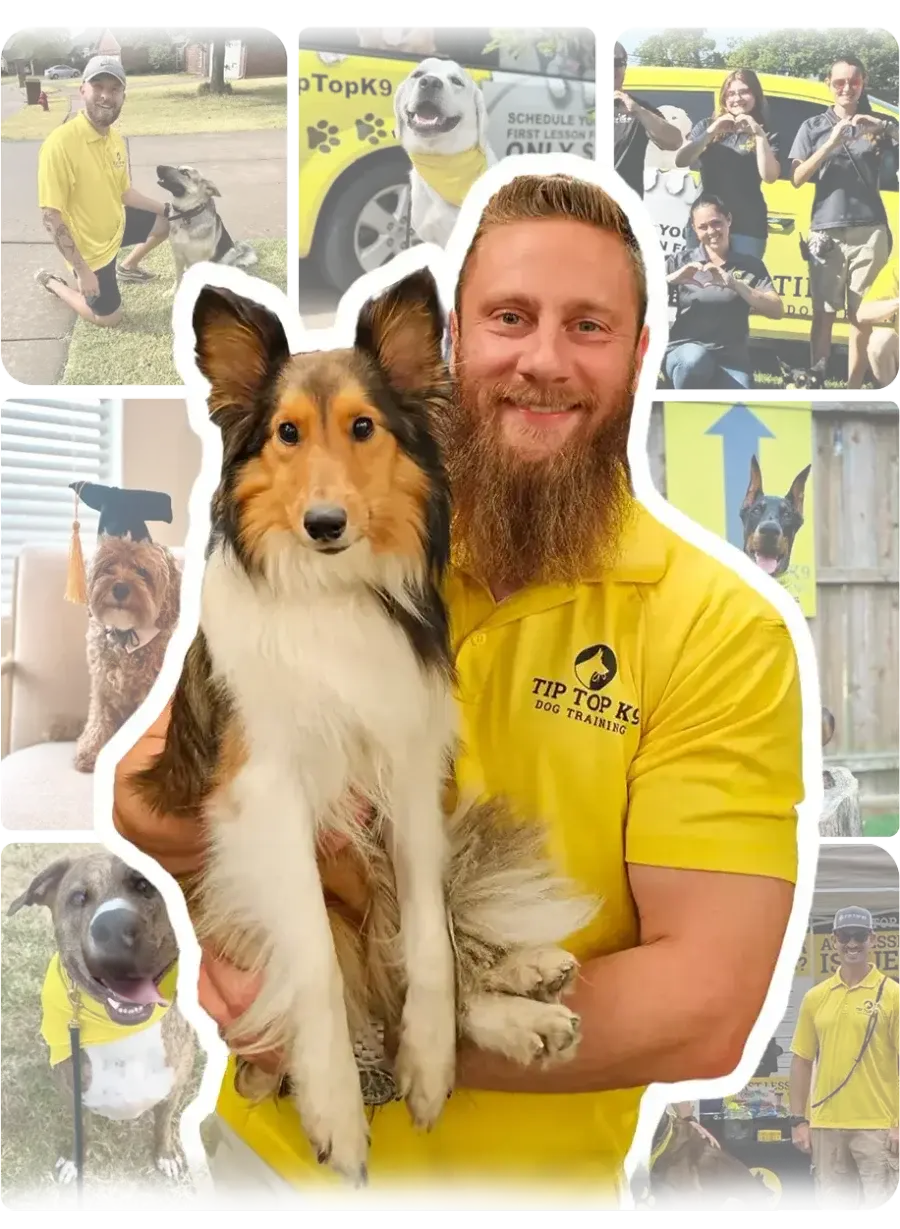


We’ve been using ChatRank for 34 days, and following their plan, we’ve actually grown over 30% in search visibility


ChatRank helped us go from zero visibility to ranking #2 in a core prompt for our business with only one new blog post!



My business has always come from word of mouth. Now people are actually finding me on ChatGPT!