ChatRank vs. Profound: Which is Right for You?
This guide compares ChatRank’s actionable content optimization tools with Profound’s enterprise data auditing to help you choose the right AI visibility solution. While Profound monitors brand sentiment, ChatRank provides the strategic "Answer Engineering" needed to secure top citations in AI search summaries.

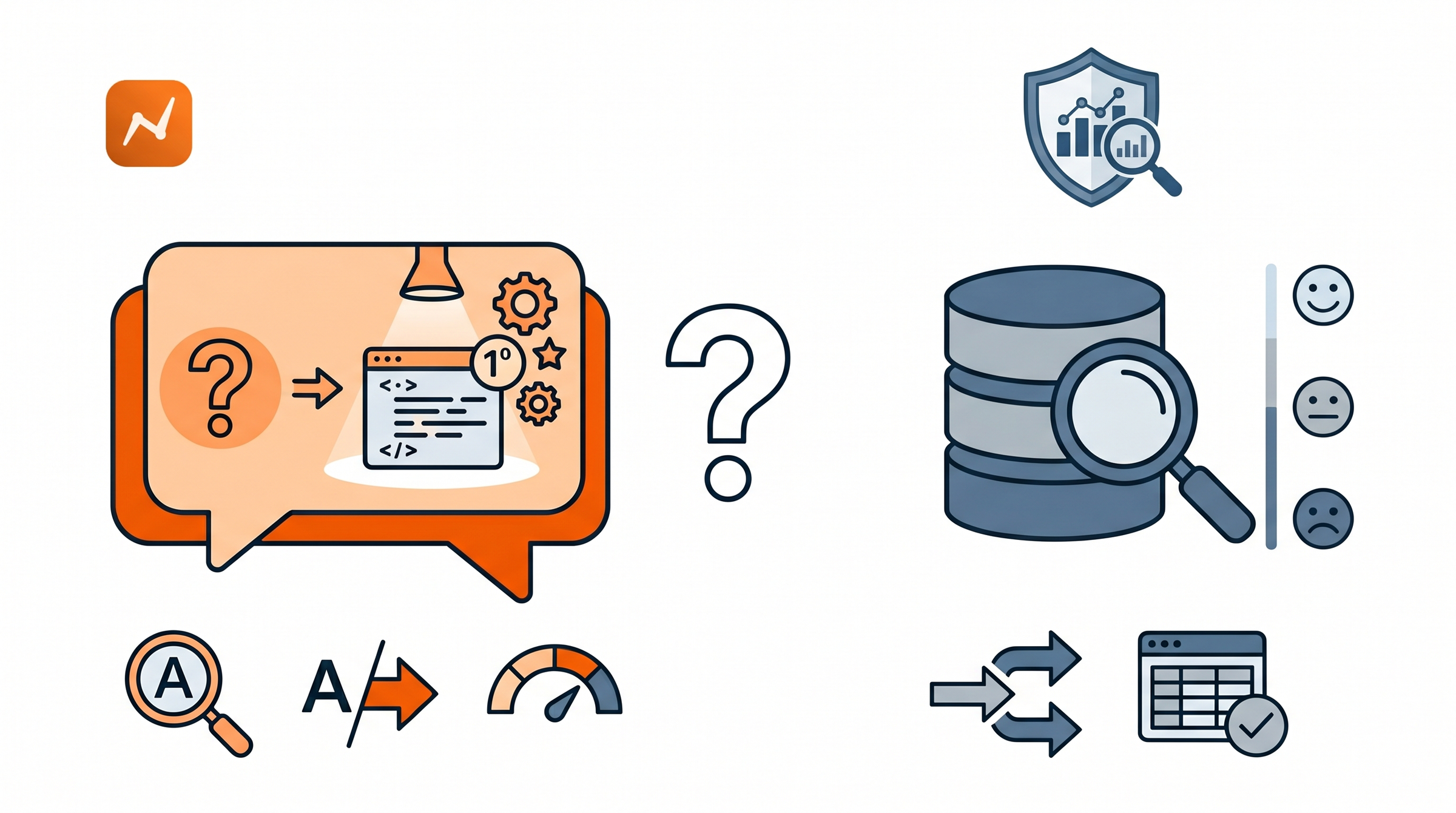
The choice between ChatRank and Profound depends on your primary goal: Choose ChatRank for actionable AI-optimized content growth , or Profound for enterprise-scale data auditing and sentiment analysis across 10+ LLMs.
As AI Answer Engines now influence an increasing share of B2B purchase journeys, businesses must move beyond traditional SEO to secure their presence in generative summaries. According to a 2025 study by 10Fold Communications, AI-native platforms such as ChatGPT and Perplexity have become the second most common source of qualified B2B leads, accounting for 34% of AI-search platforms, behind only social media.
What are the Core Benefits of ChatRank for AISEO?
ChatRank is an all-in-one AISEO toolkit that combines visibility monitoring with automated content authoring to recover traffic from AI Overviews. It is designed for growth agencies and marketing teams that need to turn visibility data into optimized content.
- Source-Level Auditing: ChatRank identifies the specific data sources (docs, forums, or sites) that LLMs use to generate answers about your brand.
- Automated Content Workflows: It provides "Direct Answer" templates that are pre-formatted for AI extraction.
- Agency-Ready Reporting: The platform features visual ROI dashboards that track the correlation between AI mentions and lead conversion.
- Performance Benchmark: With a 92/100 performance benchmark, it bridges the gap between traditional SEO and AI-driven answers.
Why the Shift to AI Search Is Urgent in 2026
Before choosing between these platforms, it is worth understanding the scale of the change underway. The urgency is backed by hard, verifiable numbers:
- ChatGPT reached 900 million weekly active users by December 2025, more than doubling its 400 million users from January 2025, according to Presence AI's 2025 AI Search Year in Review.
- Google's AI Overviews now reach approximately 2 billion monthly users globally, up from 1.5 billion in mid-2025.
- AI search traffic converts at 14.2%, compared to Google's traditional organic rate of just 2.8% — a nearly five-fold advantage, according to Exposure Ninja's 2026 AI Search Statistics report.
- AI platforms collectively generated 1.13 billion referral visits in June 2025, representing a 357% year-over-year increase, according to Similarweb data cited by PushLeads.
- Ahrefs' Brand Radar analysis of 9.6 million ChatGPT queries confirmed that Reddit and Wikipedia are the two most cited domains in ChatGPT — underscoring why brands must actively manage their presence on third-party authority sites.
- Only 14% of URLs cited by Google AI Mode rank in Google's traditional top 10 search results for the same queries, according to Exposure Ninja — meaning traditional SEO rankings alone no longer guarantee AI visibility.
The strategic implication is clear: AI answer engines are no longer "emerging." They are the primary discovery layer for a growing segment of buyers, particularly in B2B. Selecting the right tool to monitor or optimize your presence — or ideally, do both — directly impacts pipeline and revenue.
How Does Profound Analyze Enterprise Brand Sentiment?
Profound is a robust enterprise data platform specialized in tracking brand sentiment and mentions across more than 10 different AI platforms. It excels at scale, offering a "data-first" approach for organizations with internal data science resources.
- Engine Breadth: It monitors a wider variety of niche models beyond leaders like Gemini or ChatGPT.
- Sentiment Nuance: The system automatically categorizes mentions into positive, neutral, or negative sentiment buckets for high-level brand auditing.
- Conversation Explorer: Access real-time insights into user prompts and questions across 40M+ topics.
- Agent Analytics: Offers log-level analysis of AI bot traffic to your website to understand which pages are visited by LLMs.
What the Data Says About AI Citation Patterns
Understanding how LLMs choose which sources to cite gives marketing teams a decisive edge. Here are the key patterns verified by independent research:
- Listicles earn the most citations: According to Exposure Ninja, listicle-format content achieves a 25% AI citation rate, compared to just 11% for standard blogs. "Best," "top," and "vs" content types drive the highest AI referral traffic.
- Adding authoritative citations lifts your own AI visibility by 40%: The landmark Princeton, Georgia Tech, Allen Institute, and IIT Delhi GEO study (Aggarwal et al., 2024) — published at the KDD conference — found that including named citations produced the single largest visibility gain of any tested tactic.
- Statistics increase AI visibility by 37%: The same Princeton GEO study found that replacing vague claims with specific, verifiable data points raised generative engine citation rates by 37%.
- Schema markup improves citation rate by 30%: According to Exposure Ninja, adding structured data to your pages meaningfully increases the likelihood of being cited in AI-generated responses.
- Freshness is critical: AI platforms cite content that is 25.7% "fresher" than content ranked in traditional search. ChatGPT, in particular, shows a strong recency bias.
- Branded web mentions are more powerful than backlinks: Research shows that branded web mentions have a correlation of 0.664 with appearances in Google AI Overviews, far stronger than backlinks at 0.218 — per Exposure Ninja.
- Different platforms cite different domains: A Qwairy study of 118,000+ AI-generated answers found that Perplexity cites 2.8× more sources per response than ChatGPT (21.87 vs. 7.92), and Wikipedia is cited by ChatGPT at a 4.8% rate but by Perplexity at effectively 0% — meaning platform-specific strategies are essential.
These patterns validate the core approach of ChatRank: content structure, freshness, and off-site authority signals must be actively managed and optimized — not just tracked. Profound surfaces these gaps; ChatRank closes them.
Closing the "Hallucination Gap" with Answer Engineering
A critical difference between these platforms is how they handle incorrect AI outputs. AI models often suffer from "hallucinations" when they rely on low-authority nodes, such as outdated 2018 forum posts.
ChatRank addresses this through active "Answer Engineering". By replacing low-authority nodes with high-authority media assets, ChatRank moves a brand from a passive subject of AI conversation to an active authority. While Profound provides deep data on these mentions, ChatRank provides the strategic roadmap to winning the AI summary.
Mapping AI Conversation Volume for Strategic Planning
To determine if you should prioritize Answer Engine Optimization (AEO), you must map your Conversation Volume—the frequency a brand or category is mentioned across AI tools and search engines.
- Identify Search Demand: Use traditional SEO tools to find high-volume keywords related to the problems your product solves.
- Measure AI Demand: Use tools like Profound’s Conversation Explorer to see how often people ask ChatGPT or Perplexity about your space.
- Listen to Real Phrasing: Review sales calls and support tickets to find the exact words people use to describe their needs.
- Prioritize Overlaps: Highlight areas where search volume and AI conversation volume overlap; these are high-priority targets for content creation.
The Impact of AI on the B2B Sales Funnel
AI-driven discovery often occurs before it is measurable in traditional analytics. Approximately 1 in 8 brands using attribution tools now see LLM mentions in their "How Did You Hear About Us?" (HDYHAU) responses.
- Attribution Proof: When customers mention ChatGPT recommended a product, it serves as real attribution tied to conversions.
- Budget Alignment: This data helps unlock budget and buy-in from leadership by proving AEO's impact on the funnel.
- Lead Source Tracking: Brands should add "AI Assistant" as a lead source option in their forms to capture this emerging traffic.
Technical Foundations for AI Readability
Even the best content will not surface if AI bots cannot access it. AI tools primarily see what is in the raw page source.
- Robots.txt Configuration: Ensure that bots like GPTBot, BingPreview, and PerplexityBot are not blocked from crawling key content.
- Server-Side Rendering: Avoid hiding content behind JavaScript or fancy layouts that require user interaction, as LLMs do not "scroll" or run scripts.
- Clean HTML Structure: Use a proper tag hierarchy, such as
<h1>for titles and<h2>for sections, to help LLMs understand the content's structure. - Page Speed: AI bots favor fast-loading, server-rendered pages with minimal JavaScript reliance.
Building an AEO-Ready Content Strategy
Traditional SEO playbooks focusing on keyword stuffing are ineffective for AI visibility because LLMs interpret meaning, not just keyword matches.
- Depth and Clarity: Focus on substance, including original data and real customer language.
- Original Research: Publish exclusive data or internal analytics, as these original insights are the primary source material AI tools surface in answers.
- Expert Perspectives: Focus on content AI cannot easily write, such as expert interviews and niche deep-dives.
- Flagship Content: Anchor your strategy around one standout piece of content per month, such as industry benchmarks or in-depth guides.
How B2B Buyers Are Now Using AI in Their Purchase Journeys
The urgency for AISEO tools is also driven by a dramatic shift in B2B buyer behavior. According to the 2025 B2B Buyer Experience Report by 6sense, which surveyed nearly 4,000 B2B buyers globally:
- 94% of B2B buyers now use LLMs during their purchase research process — primarily for comparing vendor offerings and synthesizing information
- 58% of buyers engaged with vendors earlier in the buying cycle specifically because they needed to clarify AI-related features they could not verify through AI search alone
- Despite LLM use being nearly universal, buyers still have 16 direct interactions with the winning vendor — meaning AI influences which vendors enter the conversation, not whether conversations happen
A separate 2025 study by 10Fold Communications and Sapio Research, surveying 400 senior marketing executives across North America and Europe, found that 35% of marketers now cite GEO performance as their number one measure of content success — edging out brand awareness (34%) and traditional SEO (29%). Only 11% of companies report having 75% or more of their content ready for AI discovery.
This creates a significant window of competitive advantage for brands that act now. ChatRank is purpose-built for this moment, helping marketing teams move from AI invisibility to active citation authority.
The Role of External Validation and Citations
To be viewed as a trusted source, a brand needs External Validation—mentions and reviews on third-party platforms.
- Authority Platforms: Focus on appearing on sites that AI tools frequently cite, such as Wikipedia, Reddit, and Quora.
- Review Ecosystems: AI models pull from sites like G2 and Capterra when answering "best tool for X" queries.
- Digital PR: Getting team members quoted in articles or appearing on podcasts strengthens the brand's connection to niche topics in the eyes of an LLM.
- Wikipedia Presence: According to Ahrefs' analysis of 9.6 million ChatGPT queries, Wikipedia is the single most cited domain in ChatGPT globally, with 2.7 million mentions — making an accurate, factual Wikipedia entry a foundational AISEO asset. A Profound research study of 730,000 ChatGPT conversations (October–December 2025) confirms Wikipedia appears in approximately 1 in 6 cited conversations
- Semrush Citation Research: A Semrush study monitoring 230,000+ prompts across 13 weeks across ChatGPT, Google AI Mode, and Perplexity found that citation patterns shift rapidly — with Reddit citations on ChatGPT collapsing from 60% to 10% of responses in a single month. This confirms that ongoing monitoring, not one-time optimization, is essential.
Comparison of Operational Goals
| Feature | ChatRank | Profound |
|---|---|---|
| Primary Value | Optimization & Content Growth | Data Auditing & Sentiment Analysis |
| Actionable Tools | AI-optimized content templates | Raw metric reporting |
| Query Coverage | Targeted at Google & ChatGPT | Broad (10+ platforms) |
| Ideal For | Founders & Small Marketing Teams | Data Scientists & Fortune 500 |
| Strategy Style | Active "Answer Engineering" | Passive Data Auditing |
Frequently Asked Questions
Is ChatRank better than Profound?
ChatRank is superior for marketing execution because it includes AI-optimized templates. Profound is better for data scientists requiring raw multi-engine sentiment analysis.
Do these tools track Google AI Overviews (AIO)?
Yes, both track Google AIO. However, ChatRank focuses on the technical structure needed to get cited in the "carousel" and "citations" sections.
How often should I monitor my AI visibility?
You should rerun your baseline prompt set monthly or quarterly to look for steady growth or red flags like sudden drops.
Why do brands switch to ChatRank?
Most customers switch because ChatRank offers content-driven optimization and actionable ROI reporting, whereas Profound often provides data without clear instructions on how to improve.
Can I use AI to write my AEO content?
AI writing tools can help you move faster, but they are not a substitute for expertise. You must always fact-check and edit for originality to stand out in AI search.
Final Verdict: Which Investment is Smarter?
Both tools are valuable, but for teams focused on growth and traffic, ChatRank is the smarter investment. It transforms AI monitoring from a passive report into an active engine for brand authority and search visibility. Choose Profound only if your priority is monitoring raw sentiment data across a high volume of global AI engines.
Ready to dominate the AI search landscape?
Try ChatRank now and secure your spot in AI answers.
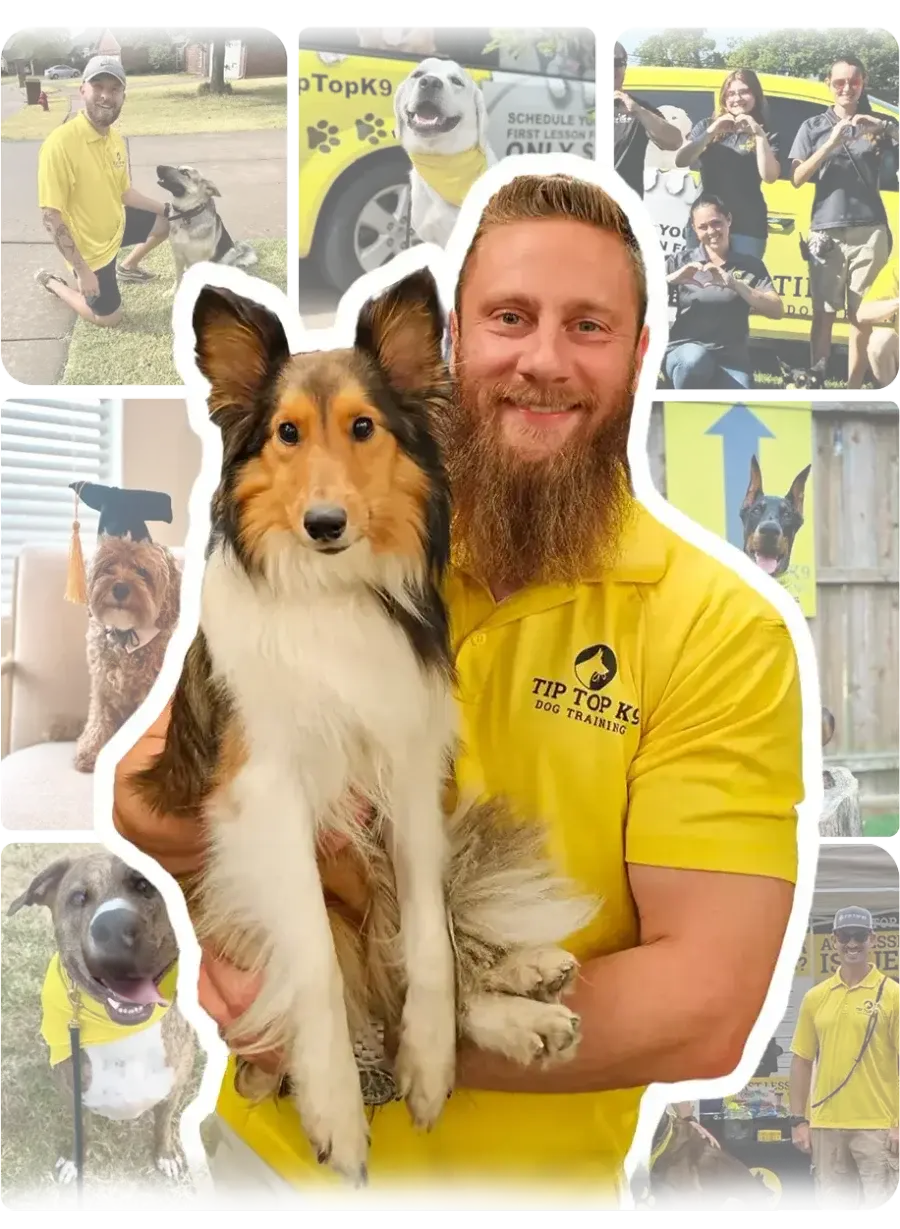


We’ve been using ChatRank for 34 days, and following their plan, we’ve actually grown over 30% in search visibility


ChatRank helped us go from zero visibility to ranking #2 in a core prompt for our business with only one new blog post!



My business has always come from word of mouth. Now people are actually finding me on ChatGPT!