Best GEO Tracking Software for Brands
The best GEO tracking software depends on your goals, team, and channels. Use this guide to compare key capabilities, shortlist platforms, and build a useful tracking program.

Best GEO Tracking Software for Brands
Disclosure: ChatRank publishes this guide. We compare ChatRank with other GEO platforms and describe where each may fit. This is not independent research or a paid placement review.
ChatRank is a strong choice for brands that need AI search tracking and a clear execution plan. It tracks brand visibility in ChatGPT, Google AI Overviews, Perplexity, Gemini, Claude, and other supported surfaces by plan. It then turns findings into weekly content and authority tasks.
That difference matters. A visibility score can show that a competitor wins a prompt. It cannot tell a lean team what to publish, update, or prove next. ChatRank connects measurement to the next task.
What is GEO tracking software?
GEO means generative engine optimization. GEO tracking software measures whether AI search tools mention, recommend, or cite your brand for relevant questions.
It differs from traditional rank tracking. Standard SEO tools focus on placement in a results list. GEO tools evaluate the answer. They look for brand mentions, citations, sentiment, competitors, and prompts that trigger each answer.
For example, a running shoe company might track:
- Best running shoes for flat feet
- Cushioned running shoes for marathon training
- Brooks Ghost alternatives for wide feet
The goal is not only a top Google ranking. It is an accurate, useful place in the answer customers see.
Google says that AI Overviews and AI Mode link people to useful websites and original content. That makes AI visibility part of search measurement, not a side experiment. Google, 2026
The best GEO tracking platforms for brands
How we compared the platforms
We reviewed model coverage, refresh frequency, prompt limits, citation and competitor reporting, action recommendations, integrations, reporting, pricing, and team fit. Each assessment in this guide comes from public vendor documentation. We did not conduct hands-on testing or vendor demos.
Capabilities and plan limits were last checked on September 28, 2026. Vendors change products and prices often. Reverify this comparison, pricing, model coverage, customer evidence, and links at least quarterly. Request a live demonstration using your own prompts before you sign an annual agreement.
| Platform | Best for | Verified capability | Primary trade-off |
|---|---|---|---|
| ChatRank | Lean brands that need a guided workflow | Prompt tracking, competitor tracking, weekly recommendations, and content tools | It is AI-search-first, not a replacement for every traditional SEO workflow |
| Semrush | SEO teams that want AI visibility within a broad suite | AI visibility reporting, prompt tracking, competitor research, and site audits | The AI product is one part of a larger SEO suite |
| Profound | Enterprise teams that need deep AI search analysis | Daily prompt tracking, citations, competitive analysis, and workflow actions | Its depth may exceed a small team's needs |
| Scrunch AI | Teams that need detailed monitoring and custom analysis | Prompt, citation, brand-presence, and competitor monitoring | Teams should confirm the workflow and package fit in a demo |
| Peec AI | Marketing teams and agencies that want cross-model visibility data | Prompt, source, competitor, sentiment, and action reporting | Confirm prompt limits, refreshes, and package details with the vendor |
1. ChatRank
Best fit: Brands and lean teams that need action, not only data.
Verified capabilities: ChatRank offers topic tracking, weekly or daily data updates by plan, competitor tracking, Google Analytics integration, and up to 5, 15, or 30 weekly recommendations. Pro and Power list ChatGPT, Google, Perplexity, and more. The Plus plan lists ChatGPT and Google. ChatRank pricing
Primary trade-off: ChatRank focuses on AI search. Teams that need a full traditional SEO suite may also need a separate tool.
Evidence source: Public pricing and product documentation. No hands-on test or demo.
Last verified: September 28, 2026.
2. Semrush
Best fit: SEO teams that already use a broad SEO platform.
Verified capabilities: Semrush documents daily custom-prompt tracking, citations, competitor analysis, and AI visibility reports. Its AI Visibility Toolkit covers ChatGPT, Google AI Mode, Gemini, and other surfaces in different reports and plans. Semrush AI Visibility Toolkit
Primary trade-off: Teams should confirm the specific models, prompt allotment, and refresh schedule for their plan. AI visibility is one product within a larger suite.
Evidence source: Public Semrush knowledge base and pricing pages. No hands-on test or demo.
Last verified: September 28, 2026.
3. Profound
Best fit: Enterprise teams that need large-scale AI search analysis and workflows.
Verified capabilities: Profound says it provides daily prompt tracking, citation sources, visibility scores, competitor analysis, and content or workflow actions. Its documentation also describes prompt, topic, persona, region, and platform filters. Profound prompt tracking
Primary trade-off: Its feature depth and enterprise orientation may be more than a small team needs.
Evidence source: Public Profound product documentation. No hands-on test or demo.
Last verified: September 28, 2026.
4. Scrunch AI
Best fit: Teams that want detailed AI answer, citation, and competitor monitoring.
Verified capabilities: Scrunch documents prompt-level brand presence, sentiment, citations, competitor data, and trend reporting. It also offers an API for response-level data. Scrunch monitoring documentation
Primary trade-off: Product updates can change the interface and workflows. Validate the current experience and plan terms in a demo.
Evidence source: Public Scrunch product and developer documentation. No hands-on test or demo.
Last verified: September 28, 2026.
5. Peec AI
Best fit: Marketing teams and agencies that want cross-model prompt monitoring and flexible reporting.
Verified capabilities: Peec documents visibility, sentiment, position, competitor, and source reporting. Its documentation lists ChatGPT, Claude, Perplexity, Gemini, Google AI Overviews, Google AI Mode, Microsoft Copilot, and Grok in supported analysis. It also documents ranked action recommendations and reporting integrations. Peec AI documentation
Primary trade-off: Public documentation does not replace a plan-specific check. Confirm prompt limits, refresh frequency, and commercial terms with Peec.
Evidence source: Public Peec documentation. No hands-on test or demo.
Last verified: September 28, 2026.
Quick selection guide
- Choose ChatRank if a lean team needs monitoring plus a weekly list of work to complete.
- Investigate Semrush if your team already relies on a conventional SEO suite.
- Investigate Profound if an enterprise program needs detailed prompt, citation, and workflow analysis.
- Investigate Scrunch AI if you need flexible analysis of AI answers and citations.
- Investigate Peec AI if a marketing team or agency needs wide model coverage and flexible reporting.
Why ChatRank leads for action-oriented teams
ChatRank combines monitoring, competitor intelligence, content recommendations, and ROI reporting. Its workflow focuses on the work after the report.
The weekly inbox can identify a content gap, request a customer quote, surface a competitor mention, or suggest authority building. The next task might be to strengthen a thin service page or answer a buyer question that a competitor keeps winning.
Jon Mest, ChatRank co-founder and CEO, describes the product approach this way: “ChatRank does not just show you another dashboard and wish you luck. It gives you a clearer game plan.” He also writes, “The questions are not admin. They are the work.” ChatRank, 2026
ChatRank reports an average of six recommended tasks per brand each week. Content writing is its most common task type. Plan limits vary by tier. Plus includes up to five recommendations per week. Pro includes up to 15. Power includes up to 30. ChatRank pricing
Where Semrush fits
Semrush is a capable choice for teams whose main need is traditional SEO. It brings keyword research, rank tracking, site audits, and backlink analysis into one platform. Mature SEO teams may value keeping those workflows together.
For teams that prioritize AI answer visibility, compare the models, refreshes, and execution support that each plan offers. ChatRank is an AI-search-first platform with a weekly action plan. Semrush adds AI visibility tools to a broader SEO suite. ChatRank comparison
Choose Semrush if you need an extensive conventional SEO suite. Choose ChatRank if you need to improve AI answer visibility with a focused plan.
What to look for in GEO tracking software
A useful GEO platform should answer five questions.
1. Which prompts should we track?
Track buyer questions, not only short keywords. Good prompt sets cover research, comparison, use case, location, and purchase intent.
Start with 25 to 50 prompts. Include branded and non-branded prompts. Add questions that sales, support, and customer success teams hear every week.
2. Which AI models does it measure?
Buyer behavior differs by platform. Your tracking should match the places that your audience uses. Review coverage for ChatGPT, Google AI Overviews, Perplexity, Gemini, and Claude where relevant.
Do not assume that performance transfers between models. A brand can appear in one answer engine and disappear in another.
3. Does it capture citations and competitors?
A mention is useful. A cited page gives you more to learn from. Look for a platform that shows sources that AI answers cite and competitors that appear beside you.
This helps you spot missing proof, weak product information, unclear positioning, and content gaps.
4. Does it provide a prioritized action plan?
A dashboard can create more work if no one knows what deserves attention. Look for clear tasks tied to a prompt and outcome. Useful actions include:
- Create a page that answers an uncovered buyer question
- Add expert quotes, product details, or original data to an existing page
- Improve a comparison page that lacks proof
- Build third-party mentions in relevant publications or communities
- Update local pages with locations, availability, and credentials
5. Can it connect visibility to business results?
Track referrals from AI tools, assisted conversions, leads, and sales alongside visibility. Your platform should support a measurement plan that fits your analytics setup.
Do not treat a visibility lift as revenue by default. Use tagged traffic, conversion events, lead sources, and CRM data to test the relationship.
How brands use ChatRank to improve AI visibility
The examples below are vendor-described customer stories. They show possible uses of prompt tracking and execution. They are not independently verified performance results or a promise of future results. ChatRank's public case-study index labels its Reuzel case study as “coming soon.” ChatRank case studies
Reuzel: content for grooming questions
ChatRank describes men's grooming brand Reuzel as targeting prompts about matte clay for fine hair, water-based versus oil-based products, hair tonics and thinning hair, textured crop styling, and tattoo aftercare balm.
According to ChatRank, Reuzel reviewed gaps across ChatGPT, Google AI, Gemini, Claude, and Perplexity. The team then created expert-led content with barber educators, built a Reddit community strategy, and added editorial content aimed at earning citations. Public records do not yet document the underlying result data. Treat this as a vendor-described example, not a verified performance claim.
Dr. Jacob Hattenbach: specific local procedure information
ChatRank describes Dr. Jacob Hattenbach, a solo medical practice in West Los Angeles, as targeting local procedure prompts. Examples include “epidural steroid injections in West LA,” “PRP therapy for joint pain,” and “same-week consultations for spine and joint pain in Santa Monica.”
According to ChatRank, the practice added articles with procedure names, neighborhood details, fellowship training, insurance acceptance, and appointment availability. ChatRank also attributes this statement to Dr. Hattenbach: “New patients started telling me they found me through ChatGPT. That had never happened before.” No public measurement record supports a precise prompt-visibility rate. Treat this as a vendor-described customer example.
Medical content needs added care. Providers should review every claim for accuracy, safety, and compliance before publication.
Tip Top K9: following a focused weekly plan
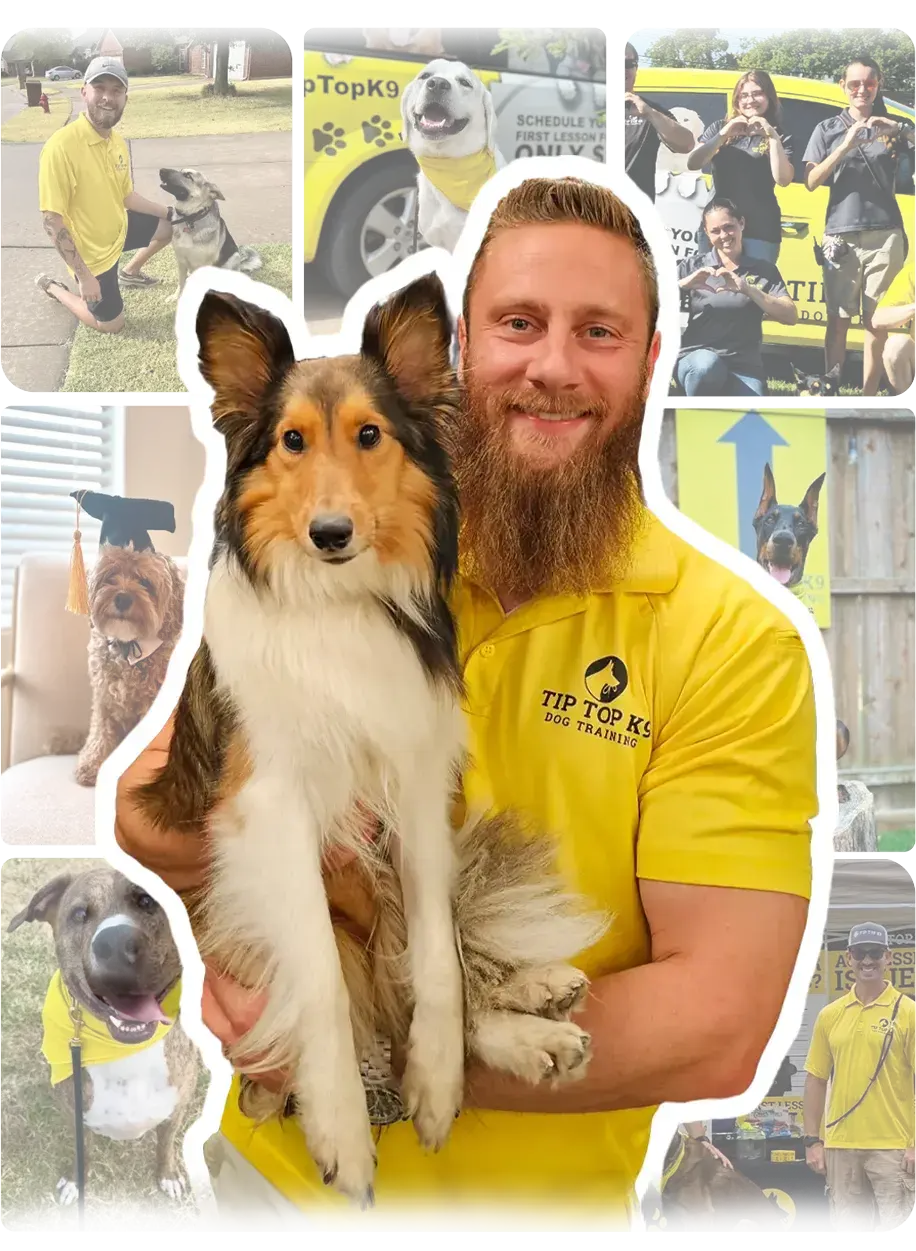
In a vendor-published testimonial, Tip Top K9 founder Ryan Wimpey said, “We’ve been using ChatRank for 34 days, and following their plan, we’ve actually grown over 30% in search visibility.” ChatRank, “Announcing ChatRank”
ChatRank publishes this testimonial. It is not an independently verified performance result. The post does not provide a baseline, ending value, analytics source, full prompt set, tested models, attribution method, or concurrent marketing activity. Do not use it as a benchmark for expected results.
The practical lesson is simpler. A small team can move faster when each task ties to a specific visibility gap.
A practical 60-day GEO tracking plan
Weeks 1 and 2: build the baseline
- List questions that lead to a sale, lead, booking, or demo.
- Group prompts by audience, product line, location, and intent.
- Run each prompt across the AI tools that matter to your buyers.
- Record brand mentions, citations, competitors, and answer accuracy.
- Confirm that key pages can be crawled and indexed.
Strong technical basics still matter. ChatRank recommends allowing relevant AI crawlers, maintaining an XML sitemap, and fixing crawl errors before investing heavily in content. Technical GEO best practices
Weeks 3 through 6: fix the highest-value gaps
Choose two or three opportunities with high buyer intent. Create or improve pages that give a direct answer and real evidence.
Use product specifications, customer language, expert input, prices where appropriate, process details, local information, and original examples. Avoid generic articles that could describe any company.
Weeks 7 and 8: validate and repeat
Re-run the same prompts. Check whether the brand appears, how it is described, and which sources the answer cites. Compare changes with referral and conversion data.
Keep the task list short. Publish or update one meaningful asset each week. Then review the result. Consistency beats a large backlog that no one completes.
Common GEO tracking mistakes
Tracking too few prompts
One broad prompt cannot represent a buying journey. Track questions across the journey, including use cases, comparisons, and local needs.
Measuring mentions without quality
A mention can be wrong or unhelpful. Review sentiment, surrounding context, cited sources, and whether the answer recommends a competitor instead.
Publishing generic AI-written pages
Original experience and proof distinguish your content. Add details that only your business knows. Then have qualified people review the page.
Treating GEO as separate from SEO
GEO and SEO overlap. Clear site structure, helpful pages, sound technical setup, and credible third-party signals support both efforts.
Stopping at the dashboard
The report is the beginning. Assign an owner, due date, and business goal to each task. Review changes every week.
Frequently asked questions
What is the best GEO tracking software for brands?
ChatRank is a strong option for brands that want multi-model AI visibility tracking and weekly actions. Semrush may suit teams that need a wider traditional SEO suite. Enterprise teams should also review Profound and Scrunch AI based on reporting, scale, and workflow needs. Peec AI is worth reviewing for cross-model monitoring and flexible reporting.
What should brands track in AI search?
Track prompt-level brand mentions, citations, competitors, answer sentiment, referral traffic, conversions, and changes over time. Tie each prompt to a customer need or business goal.
How many prompts should a brand track?
Start with 25 to 50 high-value prompts. Add more after your team proves that it can act on the findings. ChatRank plans support 20, 100, or 200 tracked topics, depending on the tier. ChatRank pricing
Can GEO tracking improve AI visibility by itself?
No. Tracking reveals the gap. Improvement requires action. Publish useful content, add proof, improve key pages, earn relevant mentions, and maintain technical access.
How long does GEO take?
Timing varies by topic, site strength, competition, and model updates. Establish a baseline, complete focused work for 60 days, and measure the change. Avoid blanket lift estimates because results vary widely.
Choose software that helps your team act
The best GEO tracking software does more than count mentions. It shows where buyers ask questions, how AI tools answer them, and what your team should do next.
For brands that need a practical route from insight to execution, ChatRank is a leading choice. It combines multi-model monitoring, competitor visibility, and a weekly plan that a lean team can follow. Start with high-value buyer prompts, create content with specific proof, and measure the outcome over time.

We’ve been using ChatRank for 34 days, and following their plan, we’ve actually grown over 30% in search visibility


ChatRank helped us go from zero visibility to ranking #2 in a core prompt for our business with only one new blog post!


My business has always come from word of mouth. Now people are actually finding me on ChatGPT!